Skip to content
INDUSTRIAL FORCE / WIRELESS TELEMETRY[email protected]
WirelessLoadCellConfigure a system

WLC-LINK / OVERHEAD RIGGING

Wireless tension links for crane load measurement

Read the load from a practical position away from the lifting connection. Specify the tension link, rated rigging and radio receiver together.

Configure & pair receivers
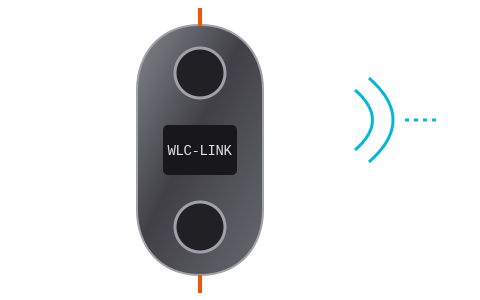
Tension links conceptual arrangement; not a dimensioned drawing or product photograph
CONCEPT SCHEMATIC / NOT TO SCALE

Define the capacity, connection & signal chain

Capacity request
1–500 metric tonnes across configured models
Body selection
Anodized aluminum or stainless steel, by model
Mechanical fit
Shackle pin, jaw clearance and axial alignment
Measurement chain
Matched WLC-HH, WLC-GW or WLC-USB receiver

Family selection scope. Individual capacity, IP rating, RF range, proof load, battery life and approvals require a model-specific quotation.

BEFORE YOU FREEZE THE SPECIFICATION

A lifting capacity number does not define the complete assembly

Share the working load, dynamic loading, shackle drawing and available headroom. The sensor rating, proof load, minimum breaking load and rigging WLL are separate quantities. Confirm each for the complete assembly before use.

Request configuration evidence

  • Capacity and direction-specific calibration with traceable serial identification
  • Rated connection dimensions and material documentation
  • Radio link-loss, stale-value and low-battery behavior
  • Proof-load evidence and model-specific design factor where required

Match the system to the working environment

Crane yards & proof loading

Outdoor distance, antenna orientation and shock loading define the system review.

Wind blade installation

Review the lifting plan, personnel position, load path and receiver visibility.

Marine lifting

Specify splash, salt exposure and enclosure requirements separately from radio range.

Resolve the integration questions first

Can it replace a Straightpoint or Dillon system?

Use the existing model as a comparison reference. Check geometry, calibration, RF protocol and receiving hardware. Matching frequency does not make different brands interoperable.

Is the wireless link an overload safety system?

The proposed chain is for monitoring. A safety-rated overload interlock requires separately validated hardware and system design; a display alarm alone does not provide that function.

CONFIGURE / PAIR / REQUEST

Your load point.
Your data destination.

Build a measurement chain for review. We will confirm the sensor rating, RF path and compatible receiving hardware in the quotation.

[email protected]

Send drawings by email. No immediate price or radio approval is implied by this selector.

Step 1 — Define the sensor & RF path

t denotes metric tonne-force capacity. Distances are requested line-of-sight targets, subject to RF review.

Step 2 — Pair your receiver(s)

Select at least one. RF protocol, channels and functions must match.

2.4GHz is a candidate; regional Sub-GHz selection needs country review. Frequency selection alone does not establish compliance.

Contact for the technical quotation

By submitting, you ask WirelessLoadCell to process these details to answer your RFQ. Read our privacy notice.